Forged by Time: Why We Pace Our Concerts with Care

At Denver Brass, Forged by Time is more than a season theme—it’s a philosophy. It reflects our belief that great artistry is not rushed, that excellence is built over decades, and that longevity matters just as much as brilliance in the moment.

This philosophy shapes how we rehearse, how we commission new music, and how we present our concerts.

If you’ve attended a Denver Brass performance, you may have noticed something distinctive: spoken moments between works, guided listening cues, and intentional pauses woven throughout the program. These elements are not accidental—and they are certainly not filler. They are an essential part of how we care for our musicians, honor the music, and invite audiences into a deeper, more meaningful listening experience.

Brass Playing Is an Athletic Art


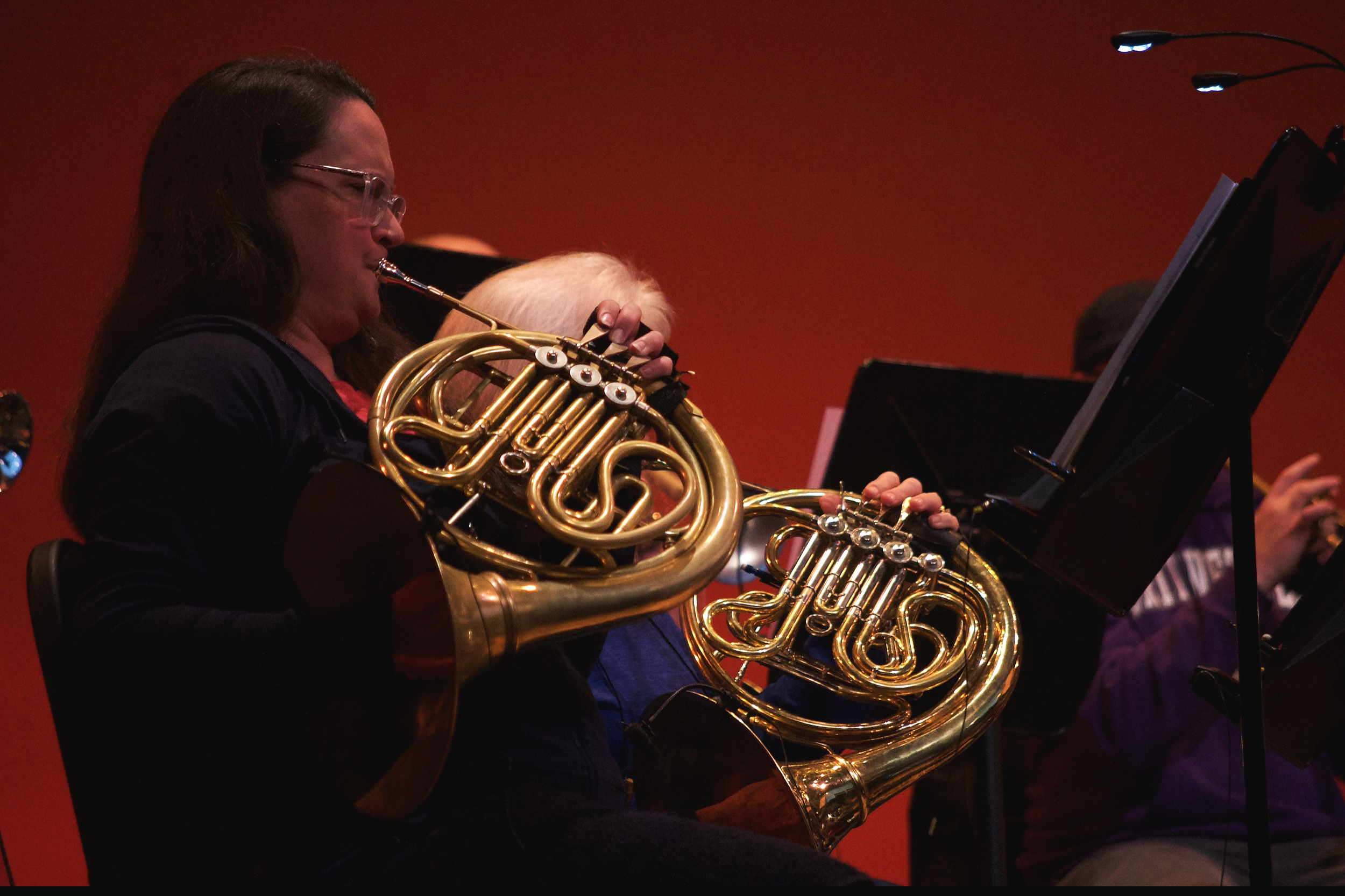
Brass performance is often described as both musical and physical—and for good reason. Brass musicians rely on a highly specialized set of muscles in the lips, face, and jaw known as the embouchure. These muscles function much like those of elite athletes: they require strength, precision, endurance, and—most importantly—rest.


Unlike many other instruments, brass playing repeatedly stresses a very small and delicate muscle group. Without adequate recovery time, musicians can experience fatigue, loss of control, or injury. In some cases, overuse can contribute to serious neurological conditions.


One such condition is focal dystonia, a task-specific neurological disorder that disrupts muscle coordination. For brass players, it can make producing sound unpredictable or even impossible—despite years or decades of training. Many musicians affected by this condition are forced to step away from performance entirely.


For professional brass ensembles, pacing is not optional. Thoughtful programming, strategic pauses, and mindful performance practices are essential to sustaining artistic excellence and protecting musicians’ long-term health.

Why Pauses Matter


By intentionally building moments of rest into our concerts, we ensure that our musicians can perform at the highest level—from the opening fanfare to the final note. These pauses allow embouchure muscles to recover so that tone, clarity, and control remain strong throughout the entire performance. But these moments serve another important purpose as well. They create space for connection.


Inviting Audiences Into the Music


We believe that music becomes more powerful when audiences feel included, not kept at a distance. Our spoken commentary is designed to open doors—offering insight into a composer’s process, highlighting musical details you might not notice on a first listen, or sharing the story behind a new work written specifically for Denver Brass.


Sometimes we explain how a piece was forged through collaboration. Other times, we place a work within our 45-year legacy of commissioning and performing original music, or share why a composer’s voice matters to us at this moment in time.


Forged for the Long Term


Just as brass musicians must care for their embouchure to sustain a lifetime of playing, Denver Brass approaches its mission with an eye toward endurance. Our concerts are shaped not only for today’s audience, but for the future of the ensemble, the musicians who power it, and the art form itself. By pacing our performances with intention, we honor the physical realities of brass playing, preserve artistic excellence, and create room for meaningful dialogue between musicians and listeners.

That balance—between power and patience, intensity and care—is what it means to be Forged by Time.

Clarrisse Bosman